Cost of Intelligence

Cost of Intelligence is the blog where I write about things I find interesting at the intersection of economics and AI. Some posts are short, some go deeper, all of them start with something that made me curious enough to dig in.
Sort ByDate
06POLICY · 14 MIN
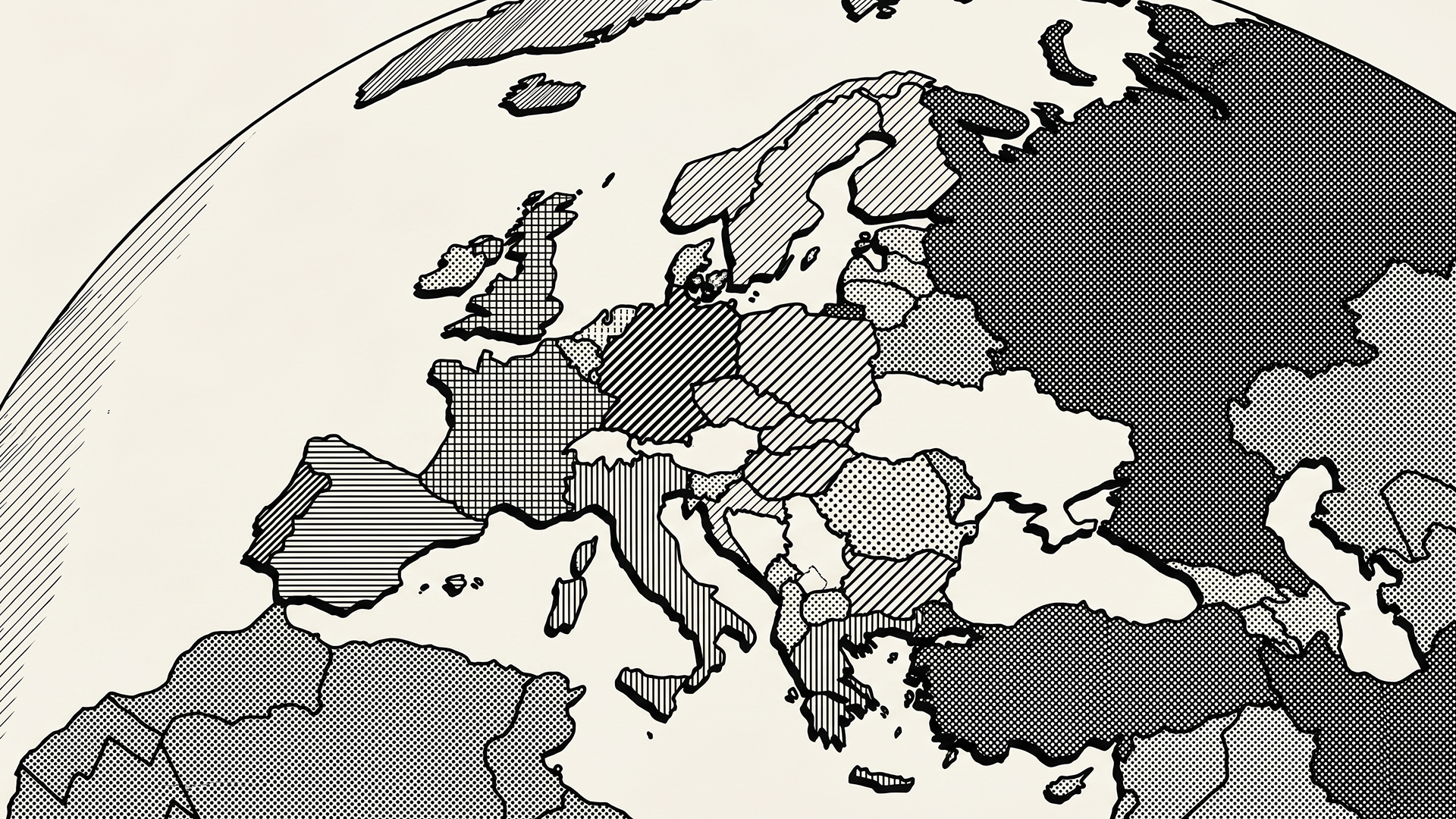
Generative-art cover image for the Europe AI catch-up essay.

Subsidising the Build, Losing on the Bill: Why Europe's AI Catch-Up Targets the Wrong Cost Line

Europe's response to the AI gap is a capex instrument. The race is being lost on opex, where a one-time grant cannot reach a power-cost disadvantage that compounds for a decade.

05AI · 09 MIN
Hand holding a phone with the home screen showing five AI apps: Gemini, DeepSeek, Claude, ChatGPT, Auren.

The Adversarial Stack: When Cross-Model Routing Becomes a Spec, Not a Hedge

Six papers across 2024-2026 converge on the same finding: same-family verification breaks down at scale. The reframe is technical. What it implies for foundation-model margins is not.
04FINANCE · 12 MIN
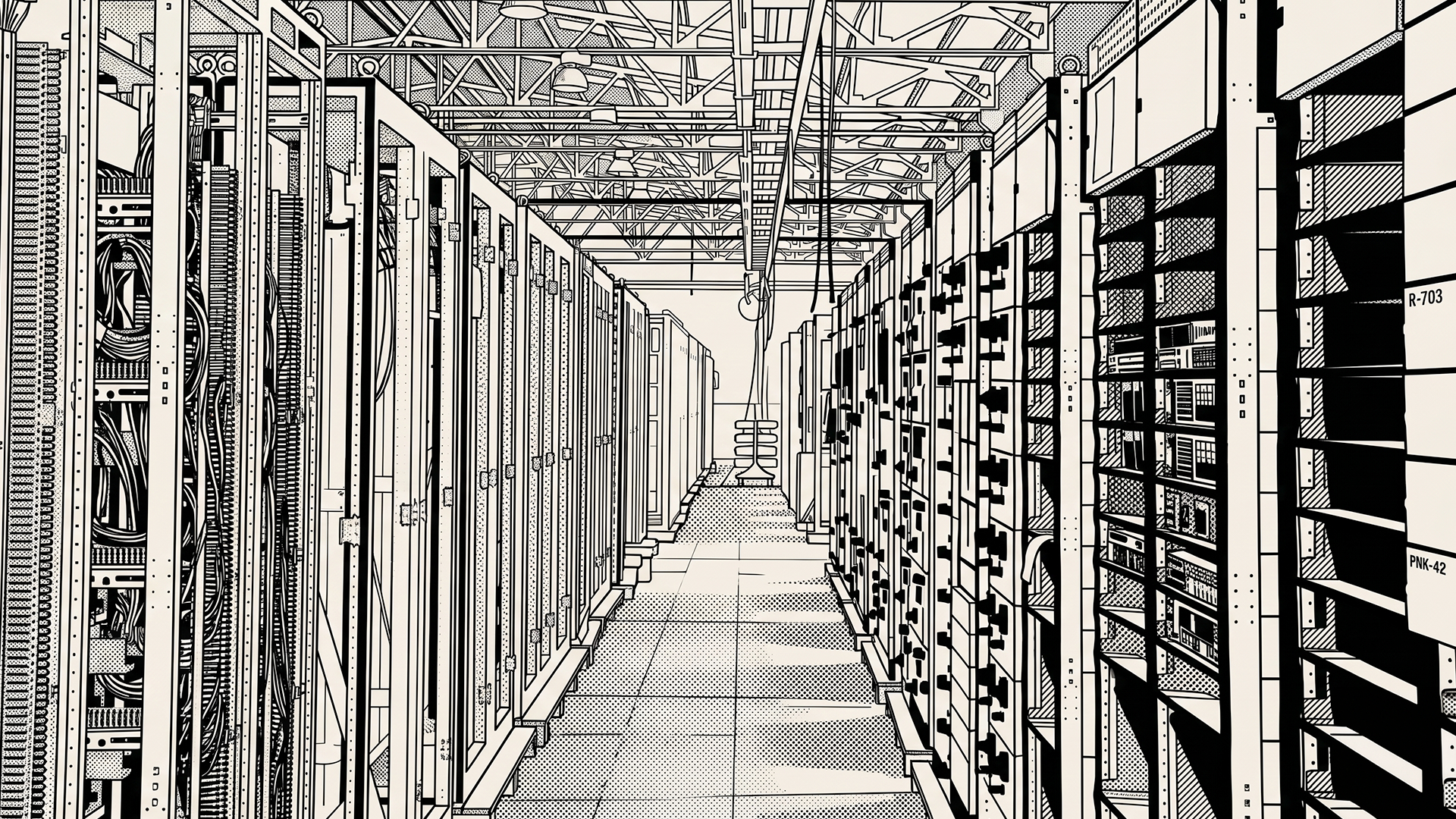
Black-and-white line illustration of a hyperscale data center aisle, server racks receding to a vanishing point.

The Hyperscaler Capex Stress Test

Part 4 of a four-part series on AI infrastructure financing. Big-4 hyperscaler capex guidance for 2026 has moved past free cash flow. The bond market is filling the gap.

03FINANCE · 13 MIN
Generative-art cover image for the $250B Footnote essay.

The $250B Footnote: Off-Balance-Sheet Compute Commitments

Part 3 of a four-part series on AI infrastructure financing. A quarter-trillion in compute commitments lives in 10-K footnotes — not on the balance sheet, not in the headline capex number.
02FINANCE · 13 MIN
Generative-art cover image for the Vendor Financing Loops essay.

Vendor Financing Loops: What 1999 Telecom Tells Us About 2026 AI

Part 2 of a four-part series on AI infrastructure financing. The vendor-financing loops between NVIDIA and its largest customers rhyme uncomfortably with Lucent and the CLECs in 1999.
01FINANCE · 12 MIN
Generative-art cover image for the Stranded GPUs and SPV Problem essay.

Stranded GPUs and the SPV Problem

Part 1 of a four-part series on AI infrastructure financing. The SPV structures funding GPU clusters look healthy on paper. Underneath, the residual-value assumptions are not.

Enron's 500k leaked emails (2003) are still the standard training set for email NLP — Smart Reply, spam filters, Gmail autocomplete trace back to Skilling's accounting fraudUPS trucks don't turn left — ORION routing avoids oncoming-traffic waits, saving ~38M liters of diesel a yearCommon Crawl, a <10-person nonprofit, has scraped the web since 2008 and gives it away — GPT-3 was ~60% trained on it; LLaMA, Claude, Gemini too. Budget: a few hundred grand a yearMNIST, the handwritten digits every ML student trains their first model on, comes from 1980s US Census workers and Maryland high schoolers — an 80s census has been ML's “Hello World” for 30 yearsreCAPTCHA was never just a bot test — phase 1 digitized Google Books and NYT archives back to 1851; phase 3 labels Waymo training data. Humanity solves ~200M CAPTCHAs a day, worth ~$3.6B/yr in free labelingEnron's 500k leaked emails (2003) are still the standard training set for email NLP — Smart Reply, spam filters, Gmail autocomplete trace back to Skilling's accounting fraudUPS trucks don't turn left — ORION routing avoids oncoming-traffic waits, saving ~38M liters of diesel a yearCommon Crawl, a <10-person nonprofit, has scraped the web since 2008 and gives it away — GPT-3 was ~60% trained on it; LLaMA, Claude, Gemini too. Budget: a few hundred grand a yearMNIST, the handwritten digits every ML student trains their first model on, comes from 1980s US Census workers and Maryland high schoolers — an 80s census has been ML's “Hello World” for 30 yearsreCAPTCHA was never just a bot test — phase 1 digitized Google Books and NYT archives back to 1851; phase 3 labels Waymo training data. Humanity solves ~200M CAPTCHAs a day, worth ~$3.6B/yr in free labeling